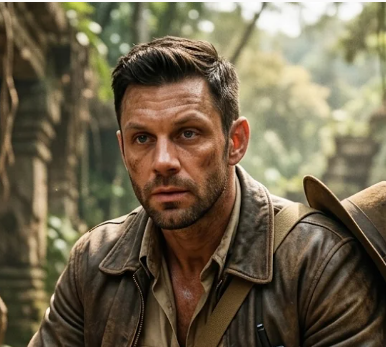
The dhow was called Noor. She left a creek on the Sudanese coast at midnight, running north without lights. I’d been watching her for three weeks from the air. Tonight I was on board, hired as a deckhand, with an Australian accent nobody on board could place.
In the hold, under sacks of dried fish, there were six crates. I opened one with a knife while the crew prayed on deck. Gold. Bracelets shaped like snakes, earrings set with garnets, a diadem with a cobra at the front. Ptolemaic work, two thousand years old, and every piece of it dug out of somebody’s tomb in the last year.
I photographed every crate and filled a waterproof bag with six pieces as evidence. Then the captain’s son came down the ladder and saw me.
He was nineteen and had a pistol. I had a bag of gold and a fish knife. I didn’t want to hurt him. I threw a sack of fish at him, went up the ladder past him and over the side into black water.
I swam for forty minutes toward a strobe light that I hoped was Tomasz. It was. He hauled me into the inflatable and asked if I’d found anything. I opened the bag. He didn’t say anything for a while.
The Sudanese coast guard stopped the Noor at dawn. All six crates went back to Khartoum. Tomasz has asked to work for the unit full time. And Isla passed her private pilot checkride this year at seventeen. She sent me a photo of her certificate. I’ve put it in the cockpit.